
How to extract soybean oil
Soybean oil is a common and nutritious vegetable oil, which is widely used in cooking and food processing. The process of extracting soybean oil usually includes the following steps:
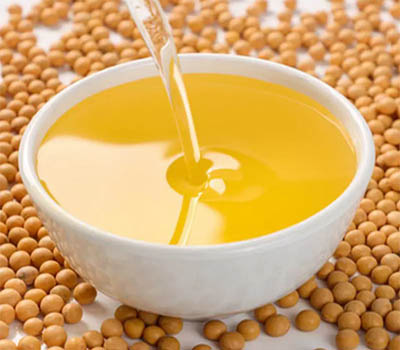
1. Cleaning and screening soybeans
First of all, soybeans need to be cleaned to remove impurities such as dust, stones and other foreign bodies. Then, high-quality soybeans are selected through screening to ensure the quality of oil.
2. Crushing and embryo rolling
The cleaned soybeans need to be crushed and pressed into small particles or sheets. The purpose of this step is to increase the surface area of soybean and contribute to the subsequent oil extraction.
3. Heat treatment
Heat the crushed soybeans (also called steaming and cooking) to destroy the cell structure and make the oil more easily released. At the same time, heating can remove some water and improve the oil yield.
4. Pressing
The heated soybeans are sent to a press, and the oil is extruded by physical pressure. This method is usually called cold pressing or hot pressing, depending on the temperature conditions. Cold pressing retains more nutrients, while hot pressing can improve oil production efficiency.
5. Solvent extraction (optional)
In order to further improve the oil yield, solvent (such as hexane) can be used to extract the squeezed soybean residue. The solvent can dissolve the residual grease, and then the solvent is separated from the grease by evaporation.
6. Refining
The extracted crude oil needs to be refined to remove impurities, free fatty acids, pigments and odors. This process includes degumming, deacidification, decoloration and deodorization, so as to obtain transparent and pure soybean oil.
7. Packaging and storage
Refined soybean oil will be cooled and filtered, and then put into containers for sealed packaging. In order to maintain the quality of soybean oil, it should be stored in a cool and dry place, avoiding direct sunlight.
Through the above steps, high-quality soybean oil can be extracted efficiently. These basic processes are applicable to both small-scale household production and large-scale industrial processing.