

The upgrading of peanut oil processing plant should focus on equipment, technology and factory facilities, so as to improve production efficiency and ensure food safety and oil quality. Production equipment optimization According to the capacity demand and equipment operation, the old eq…
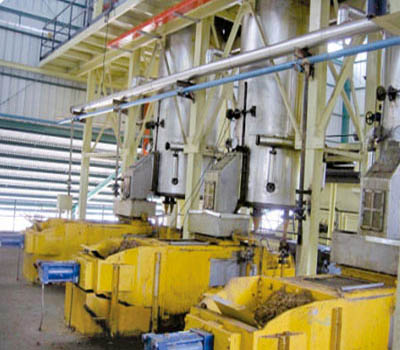
Difficulties in establishing palm oil refinery
The difficulty of palm oil refinery construction lies not only in equipment procurement, but also in the coordination of raw materials, processes, public works and environmental protection requirements. Raw materials and site selection are the primary challenges. The supply of crude palm oi…
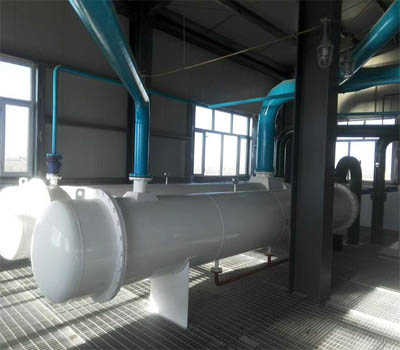
Solvent extraction plant helps to drain the residual oil completely
In the traditional oil processing production line, no matter peanuts, rapeseed, soybeans or cottonseed, the oil cake squeezed by the screw oil press will always have a lot of oil left and cannot be completely extruded. The residual oil rate of conventional mechanical pressing technology is general…

How much oil can 100 Jin of soybeans press?
Many customers who open oil mill plants and do grain and oil processing are most concerned about the production problem of soybeans. According to the actual processing data, 15 to 22 jin of soybean oil can be squeezed out from 100 jin of soybeans. The oil yield of soybean is not fixed, and …

The important role of cleaning equipment in edible oil production
Peanut, soybean, rapeseed and other oilseeds will be mixed with impurities during harvesting, transportation and storage. Cleaning and removing impurities is the first key process of oilseed pretreatment, which directly affects the oil yield, oil quality and equipment service life. Common i…

Do all refined edible oils need dewaxing?
Refined edible oil refers to the refined oil obtained by decoloration, degumming, dehydration and deodorization. Dewaxing is a process in edible oil refining process, and its purpose is to improve the quality, nutritional value and industrial utilization value of oil. So do all refined edible oils…
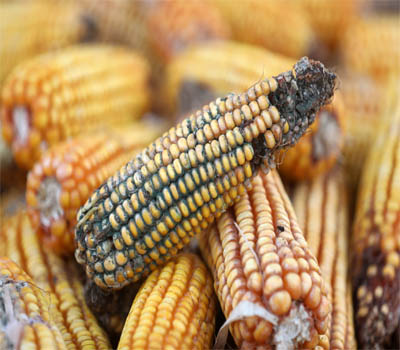
Common methods for removing aflatoxin
Aflatoxin is highly carcinogenic, mostly in raw materials such as peanuts, corn and soybeans, and is the main harmful substance that affects the safety of edible oil. Crude oil squeezed by various processes must be refined(edible oil refining equipment) and detoxified before it can be sold. …

Loss types in edible oil refining process
The whole process of degumming, deacidification, decoloration and deodorization of edible oil refining will produce oil loss, which is determined by the quality of crude oil, process parameters, equipment performance and operation management. The core causes of loss in each section are as follows:…
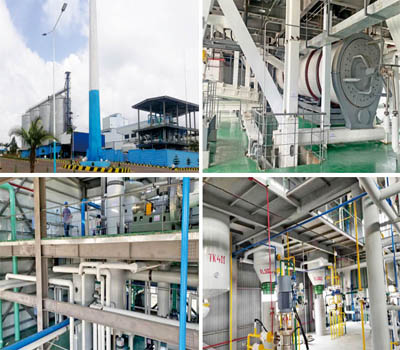
Difficulties in edible oil refining
Crude oil refining mainly includes degumming, deacidification, decoloration and deodorization, with the aim of removing colloid, free fatty acid, pigment and peculiar smell. There are several technical difficulties in production: 1. Fluctuation of raw materials: Different batches of crude o…
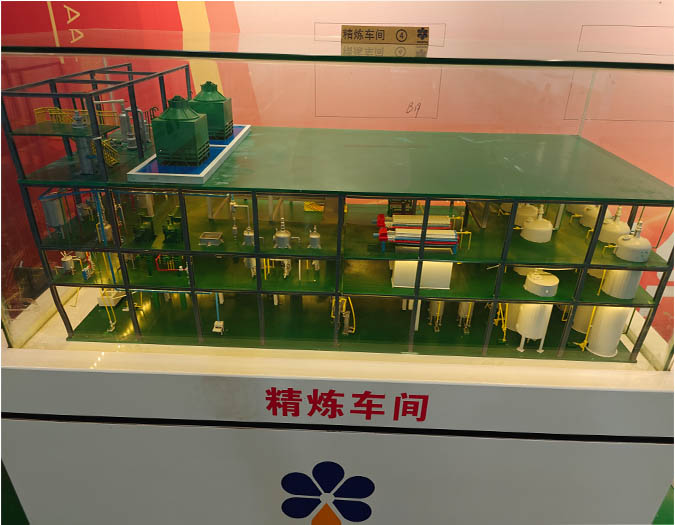
By-products and waste liquid treatment problems that are easily overlooked in purchasing edible oil refining equipment
Many oil plants purchase edible oil refining equipment, and the first sentence asks: how many tons, how much money and how much oil yield are produced per day. However, few people think in advance: How to deal with the soapstock, waste clay and wastewater produced by refining. It was discov…