
In the refining process of edible oil, dewaxing is a crucial step, especially for some specific oils such as rice bran oil, sunflower oil and corn oil. The main purpose of dewaxing is to remove natural wax from oil, so as to improve the transparency and stability of products at low temperature. Th…
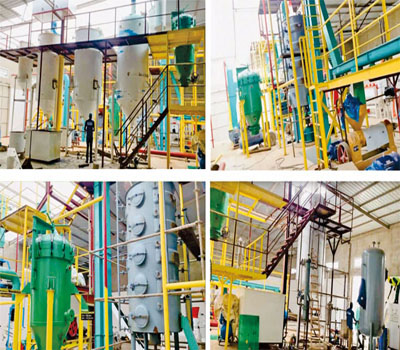
Many factors need to be considered in the construction of edible oil processing plant
The construction of edible oil processing plant is a complex project, which requires comprehensive consideration of various factors to ensure the rationality of investment and the sustainability of the project. The following are some key factors that play a vital role in budget and cost control. …
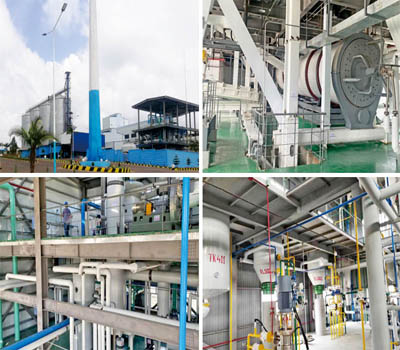
Is continuous edible oil refining equipment better than intermittent one?
In the modern food processing industry, the refining of edible oil is a crucial link. With the continuous progress of technology, there are many types of refining equipment in the market, of which the most common are continuous and batch. So, is the continuous edible oil refining equipment better …
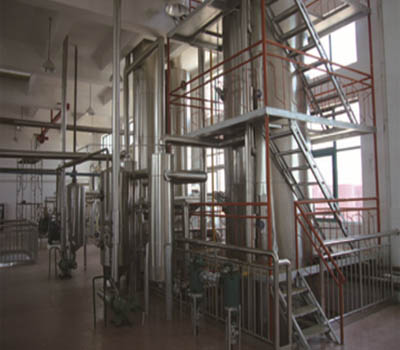
Is deodorization just to remove the odor of edible oil?
Deodorization is a key step in the edible oil refining process , which is not just to remove the odor in oil. The main purpose of deodorization is to remove volatile components in oil by high-temperature steam treatment, including oxidative decomposition products such as aldehydes and keton…
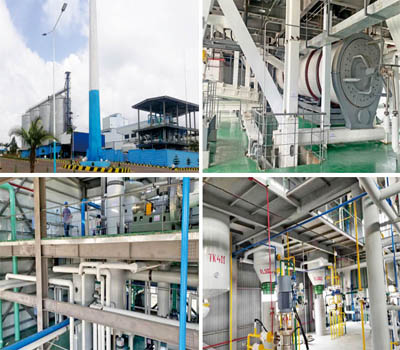
How to judge whether your oil mill plant should be equipped with refining equipment?
Judging whether your oil mill plant should be equipped with refining equipment mainly depends on several key factors, including market demand, product quality, cost-effectiveness and production scale. First of all, market demand is an important consideration. If the market demand for refin…

What is the difference between traditionally pressed rapeseed oil and refined rapeseed oil?
Traditionally pressed rapeseed oil and refined rapeseed oil(edible oil refining equipment) are two common types of rapeseed oil, differing significantly in production processes, aroma, taste, and nutritional value. Firstly, in terms of production processes, traditionally pressed rapeseed oi…
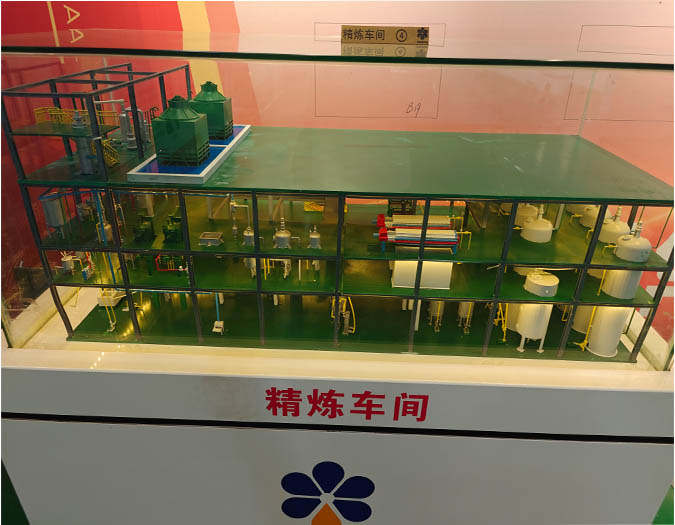
Factors to be considered in selecting edible oil refining equipment
When choosing edible oil refining equipment, you need to comprehensively consider many factors to ensure that you choose the equipment that best suits your needs. First, make clear your production requirements, including daily handling capacity, budget and refined oil quality requirements. …
Selection basis of physical refining and chemical refining
In the process of edible oil refining, physical refining and chemical refining have their own application scenarios, and the choice of which process mainly depends on the acid value of oil, impurity types, nutrient retention requirements and process costs. In terms of acid value, oils with …
The relationship between edible oil refining and edible oil transparency
Edible oil is an indispensable ingredient in daily life, and its quality is directly related to people’s health and eating experience. Refining is a crucial link in the production of edible oil, which can not only improve the purity of oil, but also significantly improve the transparency of …
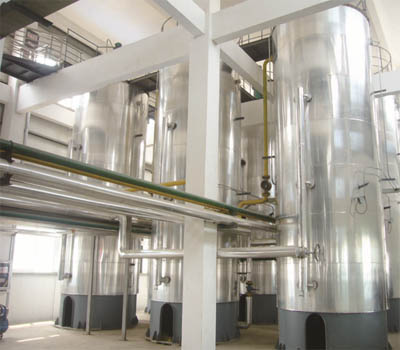
Is the dewaxing process necessary for all edible oils?
Dewaxing process is a common refining step in the production of edible oil refineries, but not all edible oils need to go through this process. The main purpose of dewaxing is to remove waxy components from oil, so as to improve the transparency and low temperature stability of oil. What is…