
In recent years, with increased attention to healthy eating, the edible oil industry has attracted many investors. However, behind the seemingly lucrative industry lie many easily overlooked costs. If you are planning to invest in building an edible oil plant, it’s advisable to understand th…
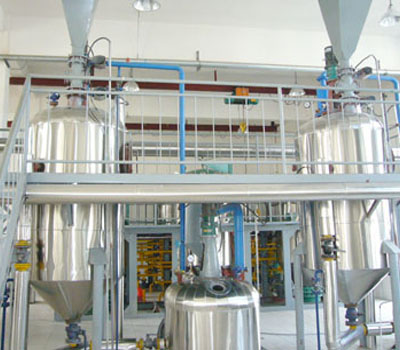
How to choose the suitable edible oil refining process?
In the edible oil processing industry, the choice of refining process directly impacts both return on investment and production costs. Whether you are a startup or a large-scale corporate group, understanding the critical alignment between production capacity and processing technology is paramount…
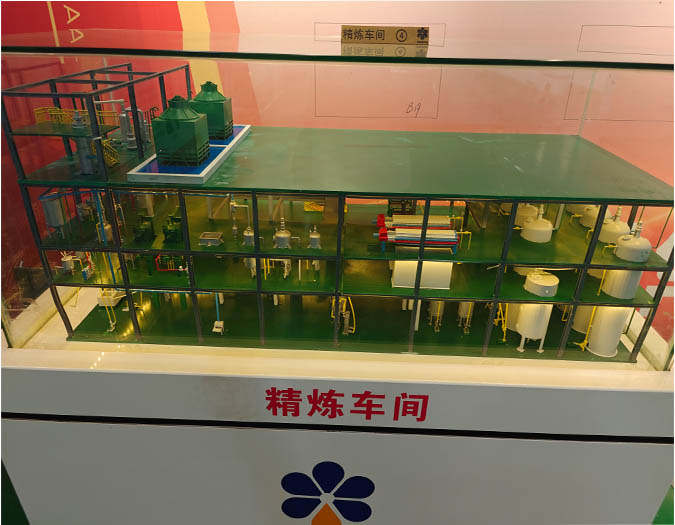
Top 4 Challenges in Edible Oil Refining & How to Overcome Them
Edible oil is an indispensable basic food in people’s daily life, and its production and refining process is very important. However, edible oil refining plant faces many difficulties and challenges in actual operation, which not only affect production efficiency, but also put forward higher…
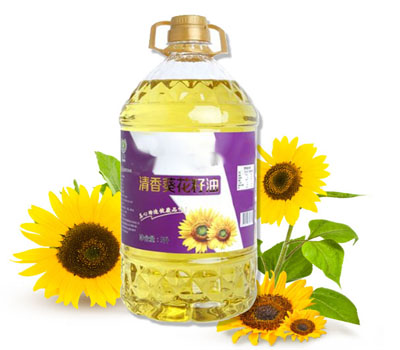
Detailed explanation of sunflower oil processing steps
As a healthy vegetable oil, sunflower seed oil is favored by more and more consumers because of its rich nutritional value and light taste. So, how does sunflower seed oil go from raw materials to finished products? The following are the main steps of sunflower oil processing. 1. Pretreatme…
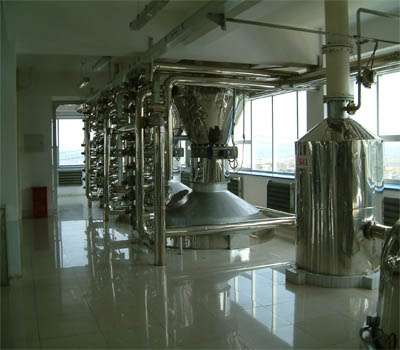
Why should oil decoloration be carried out in a vacuum environment?
In the process of edible oil refining, decoloration is an important technological link, and its purpose is to remove pigments, impurities and other components that may affect the quality of oil, so as to make oil more transparent and pure. In this process, it is usually necessary to operate in a v…
Key factors affecting decoloration effect of oil refining
Decolorization of oil refining is a very important step in the process of oil processing. Its purpose is to remove pigments and impurities from oil and improve the appearance and quality of oil. However, the decolorization effect is often influenced by many factors. The following are the analysis …
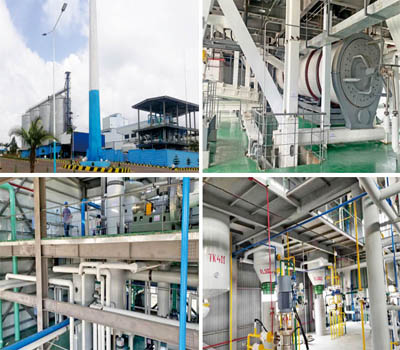
Effect of high moisture content of oilseeds on oil extraction
In the process of oil processing, the moisture content of oilseeds is a crucial factor. Excessive moisture will not only affect the extraction efficiency of oil, but also adversely affect the product quality and edible oil processing equipment. The following will analyze the specific effects of ex…
Selection principle of decoloring agent in decoloring process of edible oil refining
In the process of edible oil refining, decoloration is a crucial process, the main purpose of which is to remove pigments and other impurities in oil, so as to improve the quality and sensory characteristics of oil. In the decoloring process, the selection of decoloring agent is directly related t…
Factors determining the price of edible oil refining equipment
Edible oil refining equipment is an indispensable and important equipment in edible oil processing, and its price varies due to many factors. The following will analyze the key factors that affect the price from several main aspects. 1. Degree of automation Edible oil refining equipment …
Common misunderstandings in selecting edible oil refining equipment?
When selecting edible oil refining equipment, many people often fall into some common misunderstandings, which may lead to problems in subsequent production and even increase costs. The following are some common misunderstandings and their possible impacts. 1. Only pay attention to the init…