
Is deodorization just to remove the odor of edible oil?
Deodorization is a key step in the edible oil refining process , which is not just to remove the odor in oil.
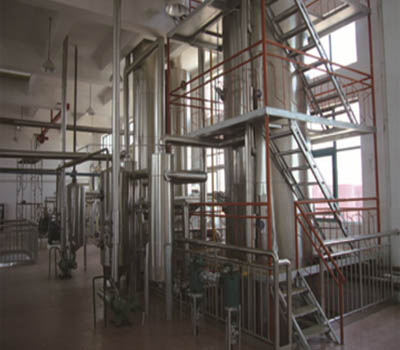
The main purpose of deodorization is to remove volatile components in oil by high-temperature steam treatment, including oxidative decomposition products such as aldehydes and ketones, which are the main reasons for the pungent smell of oil.
In addition, deodorization can also remove the peculiar smell of raw materials, such as the beany smell of soybean oil and the spicy taste of rapeseed oil, thus improving the flavor and quality of edible oil.
In the edible oil refining process, the removal of free fatty acids (FFA) is also one of the important targets of deodorization. Free fatty acids will not only affect the smoke point of edible oil, but also accelerate the deterioration process of oil. Therefore, removing free fatty acids by deodorization can prolong the shelf life of edible oil and improve its stability.
Moreover, the deodorization process can also reduce the residual pesticides and polycyclic aromatic hydrocarbons in edible oil. These trace harmful substances pose a potential threat to food safety. Through the treatment of refining process, the content can be effectively reduced to ensure the safety of edible oil.
In a word, deodorization is an indispensable step in edible oil refining, which not only improves the flavor and quality of oil, but also improves its safety and stability. Through deodorization, edible oil can better meet consumers’ demand for high-quality and safe food.