
The principle of solvent extraction is different from that of traditional pressing
In the food processing industry, oil extraction is a crucial step. Common oil extraction methods include traditional pressing and solvent extraction. These two methods differ significantly in principle and each has its own unique advantages and disadvantages.
Traditional pressing
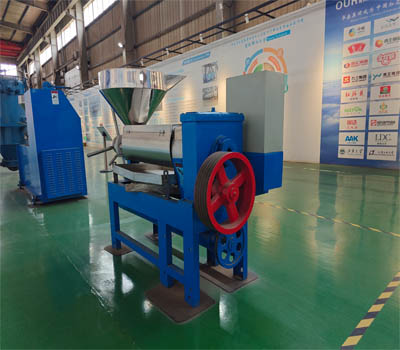
Traditional pressing is a mechanical physical extraction method that uses external force to directly squeeze out the oil from the raw material. This method is typically suitable for raw materials with high oil content, such as peanuts, soybeans, and sesame seeds. During pressing, the raw material undergoes pretreatment (such as washing, crushing, steaming, and roasting) before being squeezed under high pressure, releasing the oil from the cells.
The advantages of pressing are its simplicity and the fact that it does not require the use of chemical solvents, resulting in a more natural oil that retains more nutrients and flavor. However, due to the limitations of mechanical pressure, pressing cannot completely extract the oil from the raw material, usually leaving a certain amount of oil in the cake, leading to a lower oil yield. Furthermore, high-temperature operation may damage some heat-sensitive nutrients.
Solvent extraction
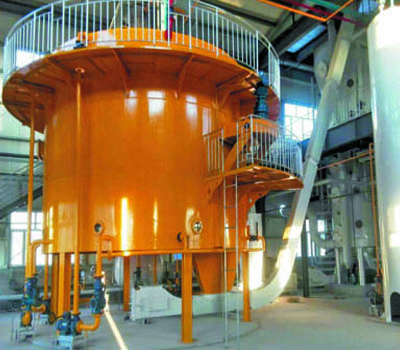
Solvent extraction is a chemical extraction method that primarily utilizes organic solvents (such as hexane) to dissolve the oil in the raw material. The specific operation involves mixing the pre-treated raw material with the solvent. After the oil dissolves in the solvent, the pure oil and reusable solvent are separated through evaporation and recovery processes.
Compared to pressing, the biggest advantage of solvent extraction is its higher oil yield, allowing for more complete extraction of oil from the raw material, making it suitable for raw materials with low oil content. Furthermore, solvent extraction operates at low temperatures, which helps reduce damage to heat-sensitive components. However, leaching requires the use of chemical solvents. Although modern processes employ strict solvent recovery and testing measures, it is still necessary to ensure that solvent residues in the final product meet safety standards. Additionally, solvent extraction equipment requires a significant investment and demands higher levels of technical and management expertise.
Traditional pressing and solvent extraction methods each have their own applicable scope and characteristics. For high-end products that emphasize naturalness and flavor, pressing is more favored; while for large-scale processing that pursues high oil yield and industrial production efficiency, solvent extraction is more advantageous. In practice, many companies combine the two methods to maximize resource utilization and meet diverse market demands.