
How to treat different materials in solvent extraction plant?
In the process of edible oil production, solvent extraction is a common and efficient extraction method. According to the oil content of different materials, the factory will adopt different treatment methods to ensure the highest extraction efficiency and economic benefits.
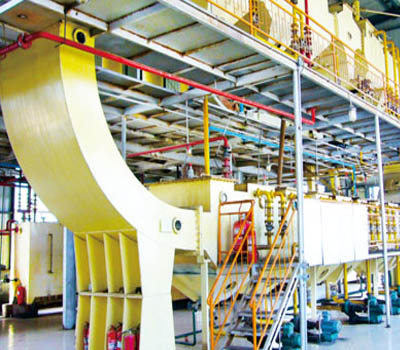
The following are the treatment methods for materials with different oil contents:
Treatment methods of low oil content materials
For materials with low oil content, such as rice bran and soybean, the factory usually adopts direct solvent extraction. This method does not need pre-pressing, directly contacts the material with the solvent, and extracts the oil through the dissolution of the solvent. The direct solvent extraction method is simple to operate, suitable for low-oil materials, and can maximize the oil recovery rate and reduce waste.
Treatment methods of high oil content materials
For materials with high oil content, such as peanuts and rapeseed, the factory usually adopts the process of “pre-pressing solvent extraction”. First, most of the oil in the material is extracted through the pre-pressing process, and the remaining cake with low oil content enters the solvent extraction process for further extraction. This two-step method can effectively reduce the amount of solvent, reduce the burden of solvent extraction equipment and improve production efficiency.
Significance of choosing different treatment methods
Choosing appropriate treatment methods for different materials can not only improve the oil extraction rate, but also reduce the production cost and energy consumption. In addition, this differential treatment can also protect the nutrients in raw materials and ensure the quality of the final product.
In a word, the solvent extraction plant of edible oil flexibly adopts “direct solvent extraction” or “pre-pressing solvent extraction” according to the oil content of materials, which is an important means to realize efficient production and optimal utilization of resources.