
How to choose the suitable edible oil refining process?
In the edible oil processing industry, the choice of refining process directly impacts both return on investment and production costs. Whether you are a startup or a large-scale corporate group, understanding the critical alignment between production capacity and processing technology is paramount. This article examines edible oil refineries of varying scales to help you identify the optimal processing solution for your specific needs.
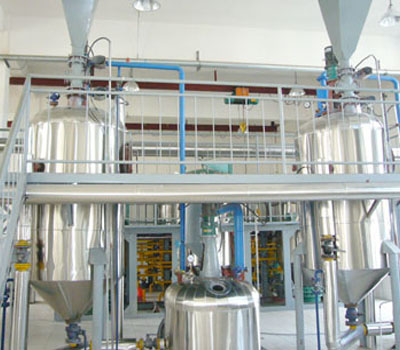
I. Small-Scale Edible Oil Refineries: Prioritizing Flexibility and Low Cost
For small-scale oil mills with a daily output ranging from 1 to 10 tons, minimal investment and operational simplicity are the key priorities. We recommend adopting the “batch refining” process, characterized by the following features:
Compact Equipment: Requires a small footprint, making it ideal for rural settings or small-scale processing facilities.
Simple Operation: Involves a higher degree of manual intervention, resulting in a low technical barrier to entry.
Versatile Functionality: Capable of processing a variety of oil types, such as peanut oil, rapeseed oil, and others.
This process is well-suited for startups or small-scale brands serving local markets, offering a quick ramp-up time and a short return-on-investment cycle.
II. Medium-Scale Edible Oil Refineries: Balancing Efficiency and Quality
When daily output reaches 10–50 tons, enterprises must strike a balance between efficiency and quality. At this stage, the “semi-continuous refining” process is recommended:
Flexible Configuration: Degumming and deacidification are conducted via a batch process, while decolorization and deodorization are implemented as a continuous process.
Enhanced Quality: This method enables a more thorough removal of impurities, free fatty acids, and undesirable odors, resulting in a significant improvement in oil quality.
Cost Control: Refining losses are minimized, making the operation more economically viable over the long term.
III. Large-Scale Edible Oil Refineries: Automation and Maximized Profits
For large-scale facilities with a daily output exceeding 50 tons, the objective is to prioritize both cost-efficiency and high quality. We recommend adopting the “Fully Continuous Refining” process:
Fully Automated Production: A centralized DCS control system enables uninterrupted, 24-hour production operations.
Advanced Technology: Processes such as physical deacidification and enzymatic degumming ensure superior product quality and environmental compliance.
Energy Efficiency and Environmental Protection: A thermal energy recovery system significantly reduces energy consumption.
This process is ideally suited for national-level grain and oil conglomerates or export-oriented trading companies, enabling the maximization of profits through large-scale production.
IV. The Importance of Selecting the Right Equipment Manufacturer
Choosing the right equipment supplier involves more than simply purchasing machinery; it means selecting a long-term strategic partner. A high-quality supplier should possess the following capabilities:
The ability to customize a proprietary refining process tailored to the specific type of crude oil being processed.
Provision of installation, commissioning, and personnel training services.
Timely supply of spare parts and provision of long-term maintenance support.
If you remain unsure how to make a selection, please feel free to contact our process engineers. Simply provide your production capacity requirements and target oil products, and we will develop a customized solution for you—completely free of charge.
Regardless of the scale of your edible oil refining plant, choosing the right process is the first step toward ensuring profitability. Take action today and set your edible oil processing project on the path to success!