
Filtered oil vs refined oil
In edible oil production, filtered oil and refined oil are two common concepts, differing significantly in production process, quality, and use. Understanding their differences can help consumers choose the right edible oil for them and also provide guidance for manufacturers.

Firstly, the filter oil is made by a simple physical filtration process. This process mainly removes impurities, suspended particles and part of water from oil, but retains most of the nutrients and natural flavor of raw materials. Filter oil is usually dark in color and rich in fragrance, which is suitable for consumers who like natural taste. However, because the filtration process is relatively simple, the filtered oil may contain a small amount of impurities or oxides, and its shelf life is relatively short.
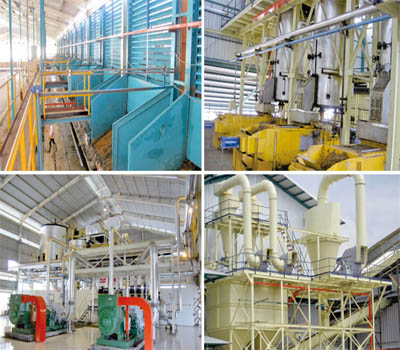
In contrast, refined oil goes through a more complicated processing process. Its production steps include degumming, deacidification, decoloration and deodorization, which can effectively remove impurities, free fatty acids and peculiar smell and make the oil more pure. Refined oil is lighter in color, lighter in taste and higher in smoke point, so it is more suitable for high-temperature cooking, such as frying food. In addition, the shelf life of refined oil is usually longer than that of filtered oil, but some nutrients may be lost during processing.
For consumers, the choice of filtered oil or refined oil mainly depends on personal needs. If you pay attention to natural flavor and nutrition, you can choose filtered oil; If you pay more attention to the safety and convenience of cooking, refined oil may be a better choice.
Our company focuses on providing customers with professional edible oil production solutions. No matter what kind of edible oil, we can tailor the production process according to customer needs to help your edible oil production career to a new height. For more details, please feel free to contact us!