
Core production process of peanut oil processing plant
The core production process of a peanut oil processing plant mainly includes the following steps:
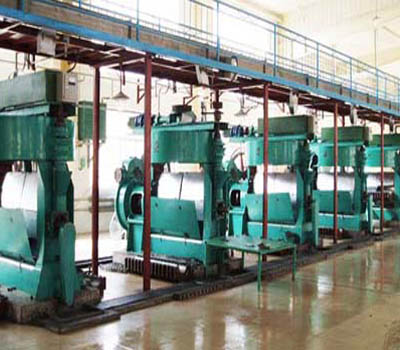
1. Raw Material Pretreatment
The production of peanut oil first requires the pretreatment of raw materials. The purpose of this step is to remove impurities, increase oil yield, and ensure oil quality. Raw material pretreatment includes cleaning, shelling, crushing, and cooking. Cleaning removes mud, stones, and metal impurities through screening and magnetic separation; shelling separates the peanut shells from the kernels; crushing breaks the peanut kernels for subsequent processing; cooking adjusts the humidity and temperature of the raw materials through heating, creating optimal conditions for pressing or solvent extraction.
2. Mechanical Pressing
Mechanical pressing is a traditional oil extraction process suitable for small processing plants. This process uses mechanical equipment to directly apply pressure to the peanut kernels, separating the oil from them. The advantages of mechanical pressing are its simplicity and environmental friendliness, but the oil yield is relatively low, and the residue has a high oil content. To improve the oil yield, it is usually combined with other processes.
3. Pre-pressing + Solvent Extraction
For large-scale production, combining pre-pressing with solvent extraction is a more efficient option. Pre-pressing involves mechanically pressing to extract a portion of the oil, while the remaining oil is extracted using solvent extraction. Solvent extraction utilizes an organic solvent (such as n-hexane) to contact the peanut cake, dissolving the oil in the solvent before separation. Finally, distillation separates the solvent from the oil, yielding pure peanut oil. This method significantly increases oil yield while reducing raw material waste.
4. Refining
Whether mechanically pressed or solvent-extracted, crude oil requires refining to become edible peanut oil. Refining includes steps such as degumming, deacidification, decolorization, and deodorization. Degumming removes impurities such as phospholipids from the crude oil; deacidification reduces the free fatty acid content through chemical or physical methods; decolorization uses activated clay to adsorb pigments; and deodorization removes odors and volatile substances using high-temperature steam. Refined peanut oil is transparent in color, has a pure aroma, and meets edible standards.
In short, the core production process of a peanut oil processing plant focuses on raw material handling, technology selection, and optimization of refining processes; each step plays a crucial role in the quality of the final product.