
Comparative analysis of three common oil-making processes in oil processing
In the field of oil processing, the commonly used oil extraction processes mainly include pressing, solvent extraction, and pre-pressing solvent extraction. Each process has its own characteristics, resulting in different qualities and nutritional components of the oil produced. The advantages and disadvantages of these three processes are briefly analyzed below.
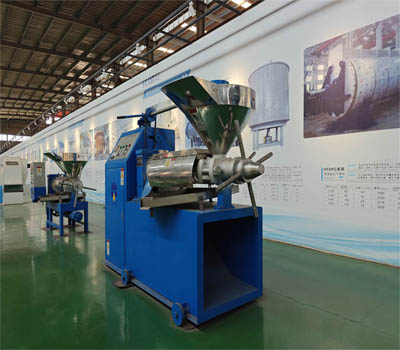
1. Pressing
Pressing is a traditional oil extraction method that uses mechanical force to extract oil from oilseeds. Its main advantages include simple process, low equipment requirements, strong adaptability to different types of oilseeds, high production flexibility, and good preservation of the oil’s nutritional components. Furthermore, pressed oil has a light color, good flavor, and high quality. However, its disadvantages are also quite obvious: the residual oil content in the pressed oil cake is high, proteins and other substances in the cake are easily denatured, equipment is prone to wear and tear, and power consumption is high, increasing production costs.
2. Solvent Extraction
Solvent extraction is a modern oil extraction process that utilizes organic solvents to fully contact the oilseeds to extract the oil. The advantages of this method are high oil yield, low residual oil content in the oil cake, low processing cost, high efficiency, and low labor intensity, making it suitable for large-scale industrial production. However, the solvent extraction method also has certain drawbacks. For example, the crude oil produced may contain solvent residues, requiring refining to meet edible standards. Furthermore, refining processes result in the loss of some active substances, thus reducing the nutritional value of the oil.
3. Pre-pressing Solvent Extraction
Pre-pressing solvent extraction combines the advantages of pressing and solvent extraction. It’s a process where most of the oil is extracted through pressing, followed by solvent extraction to further extract the remaining oil. This method not only increases oil yield but also reduces resource waste while retaining more nutrients. Furthermore, the pre-pressed oil cake is of higher quality and more competitive in the market. However, because this process requires two different sets of equipment and processing steps, the initial investment cost is higher.
Pressing is suitable for small processing plants or applications with high requirements for oil flavor and nutritional value; solvent extraction is suitable for large-scale industrial production, prioritizing efficiency and low cost; while pre-pressing solvent extraction offers a higher oil yield while balancing quality and efficiency. The specific process chosen should be based on the company’s actual needs, investment capacity, and market positioning.
Huatai can provide customers with professional oil-making process solutions, and provide technical support and equipment installation services to help you achieve efficient production. If you need further consultation, please contact Huatai Machinery, and we will serve you wholeheartedly!